

As the global demand for clean energy and sustainable development continues to grow, rechargeable lithium-ion batteries, serving as the cornerstone of the renewable energy sector, are undergoing unprecedented technological innovations and market expansion. This article explores the latest developments in rechargeable lithium-ion batteries in 2025 from multiple dimensions, including technological breakthroughs, market demand, capacity expansion, competitive landscape, and future prospects.
I. Technological Breakthroughs: Solid-State Batteries Leading the New Trend
In terms of technological innovation, the commercialization of solid-state batteries has emerged as a major highlight in the rechargeable lithium-ion battery market in 2025. Solid-state batteries, with their significant advantages of high energy density, high safety, and long lifespan, are regarded as strong contenders for the next generation of battery technology. According to predictions by TrendForce Consulting, China's solid-state battery production is expected to reach gigawatt-hour levels by 2027, opening up new and vast growth prospects for the lithium battery industry.
BYD plans to initiate batch demonstrations of solid-state batteries in vehicles by 2027 and achieve large-scale adoption after 2030. In its technological roadmap, semi-solid-state batteries have high compatibility with traditional liquid battery production lines, while solid-state batteries focus on front-end dry electrode equipment and mid-process stacking processes. Currently, domestic equipment manufacturers such as LEAD Intelligent Equipment have introduced complete solid-state battery production line solutions, covering key equipment such as electrode preparation and electrolyte film lamination. Changan Automobile also released its Golden Shield solid-state battery on February 9th, with an energy density of 400 Wh/kg and a range of 1,500 km, planning to achieve mass production of solid-state batteries by 2027.
In addition to solid-state batteries, technologies such as ultra-fast charging, dry electrode processes, silicon-carbon anodes, and 4680 cells are also accelerating towards commercialization or large-scale production. These technological breakthroughs will not only further enhance the performance of lithium batteries but also drive the industry chain towards higher value-added development.
In terms of market demand, the new energy vehicle and energy storage markets are the main drivers of growth for rechargeable lithium-ion batteries. With the continuous intensification and expansion of policies related to vehicle trade-ins in China, the demand for new energy vehicles is showing increasingly strong growth momentum. According to related predictions, China's new energy vehicle sales are expected to reach 16.1 million units in 2025, with the electrification penetration rate potentially exceeding 50%. Behind these figures is the strong policy push for the new energy vehicle market, which also brings vast development opportunities to the lithium battery market.
In the energy storage market, with the accelerated global energy transition, the growth of large-scale energy storage projects is highly certain. Large-scale energy storage projects in regions such as the United States and the Middle East have contributed new increments to lithium battery demand. It is predicted that new energy storage installations will reach 220-250 GWh in 2025, with battery demand potentially exceeding 400 GWh. Among them, the domestic market will occupy an important share, reaching about 120 GWh.
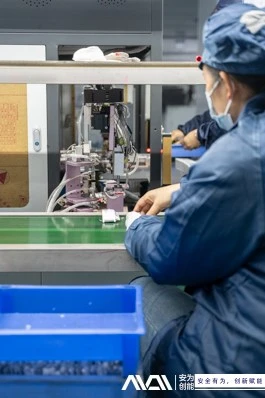
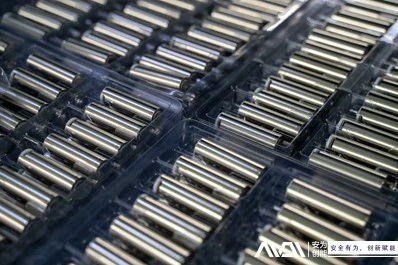
Facing robust market demand, enterprises in the rechargeable lithium-ion battery industry chain have accelerated capacity expansion. Since February 2025, multiple enterprises have announced news of capacity expansion. Shanghai Pretect Composite Materials Co., Ltd.'s subsidiary, Jiangsu High-Tech Power Sources Co., Ltd., plans to invest in the construction of a 2.5 GWh cylindrical battery base project in Malaysia, aiming to better meet the demand for high-performance batteries from customers in fields such as electric tools and smart appliances. BYD's subsidiary Fudi Battery has expanded its power battery capacity by another 7 GWh, with the official launch of the construction of the Guangxi Fudi Battery III project. EVE Energy Co., Ltd.'s first overseas factory in Malaysia has also commenced production, mainly producing cylindrical batteries for electric tools and electric two-wheelers. Ganfeng Lithium Technology (Dongguan) Co., Ltd. has landed a total investment of RMB 5 billion in Dongguan, Guangdong, for a project with an annual production capacity of 10 GWh of new lithium batteries and energy storage headquarters, expected to be fully operational by 2026.
In terms of the competitive landscape, the rechargeable lithium-ion battery market exhibits a highly concentrated characteristic. As industry leaders, CATL and BYD occupy the majority of the market share. According to SNE Research data, global electric vehicle battery shipments reached 894.4 GWh in 2024, with a year-on-year increase of 27.2%. CATL ranked first with a market share of 37.9%, while BYD ranked second with 17.2%. Chinese companies occupy six seats in the top ten, with a combined market share of 67.1%, an increase of 3.7 percentage points year-on-year.
The advantages of leading enterprises are not only reflected in market share but also in technology, cost, and scale. These enterprises, with their strong industrial chain integration capabilities, are better equipped to respond to market changes and risks, with significantly higher operating rates than second- and third-tier battery factories. This also reflects that in market competition, the advantages of leading enterprises are becoming increasingly apparent, and market concentration is further increasing.
Looking ahead, the rechargeable lithium-ion battery market will usher in broader development prospects. With the rapid development of the global new energy vehicle industry and consumers' higher requirements for driving range, charging speed, and safety, the demand for lithium batteries in electric vehicles will continue to grow. Meanwhile, the rapid development of the new energy storage market will also bring new growth impetus to the lithium battery industry. It is predicted that by 2025, the global demand for lithium batteries may grow at a rate exceeding 30%, with shipments reaching 2,344 GWh, achieving a significant increase of 147.2%.
However, the rechargeable lithium-ion battery industry also faces some challenges during its development. Firstly, continuous efforts are needed for technological breakthroughs. Although frontier technologies such as solid-state batteries have made significant progress, overcoming numerous challenges is still required for large-scale commercial application. Secondly, market competition is increasingly fierce. As more enterprises enter the lithium battery market, competition will intensify. Enterprises need to excel in technological innovation, cost control, and market development to stand out in the competition.
Furthermore, environmental protection and sustainable development are also important issues that the rechargeable lithium-ion battery industry must address. With the rapid growth in the number of waste batteries, the lithium battery recycling industry has ushered in important development opportunities. Enterprises need to establish a complete lithium battery recycling system to realize the effective recycling and resource reuse of valuable metals such as lithium, cobalt, and nickel from waste batteries, reducing environmental pollution and resource waste.
In summary, the rechargeable lithium-ion battery market in 2025 is undergoing unprecedented technological innovations and market expansion. Frontier technologies such as solid-state batteries will bring new growth points to the industry; the dual driving forces of the new energy vehicle and energy storage markets will drive the continuous growth of lithium battery demand; the capacity expansion of leading enterprises and the further concentration of the market competitive landscape will accelerate industry reshuffling; and environmental protection and sustainable development will become important directions for the future development of the industry. In this era full of opportunities and challenges, the rechargeable lithium-ion battery industry will continue to move forward, contributing more to the global energy transition and sustainable development.